Nailing Fin Windows in Older Austin Neighborhoods
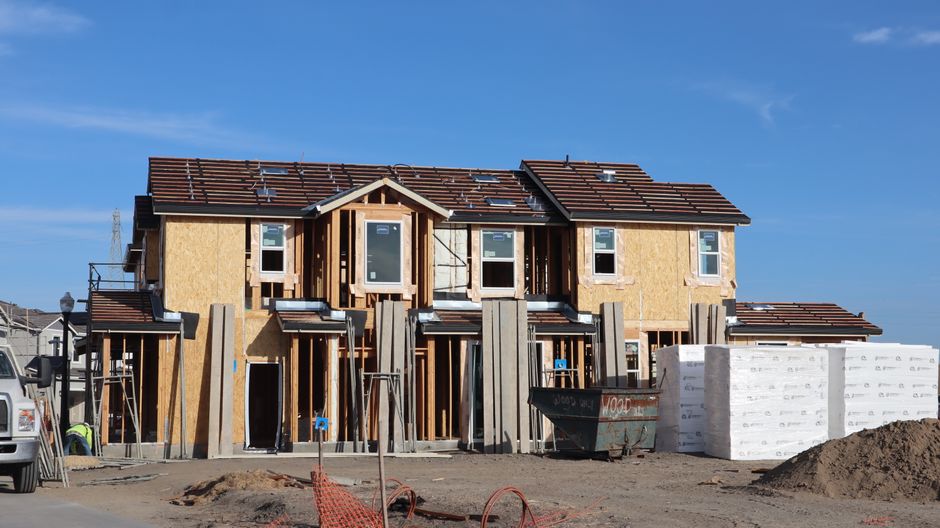
Nothing about a nailing fin window is difficult until the wall behind it turns out to be older than the plans. The running record austin window installation greentopia fest holds shows that older Austin, TX neighborhoods such as Hyde Park, Travis Heights and Clarksville are where the fin gives the most trouble. A fin is a thin flange around the frame that nails to the sheathing and gets taped over, and it was designed for new walls with flat sheathing and no old siding to work around. Bungalows with lap siding and wood trim need a different approach.
What the fin needs to sit against
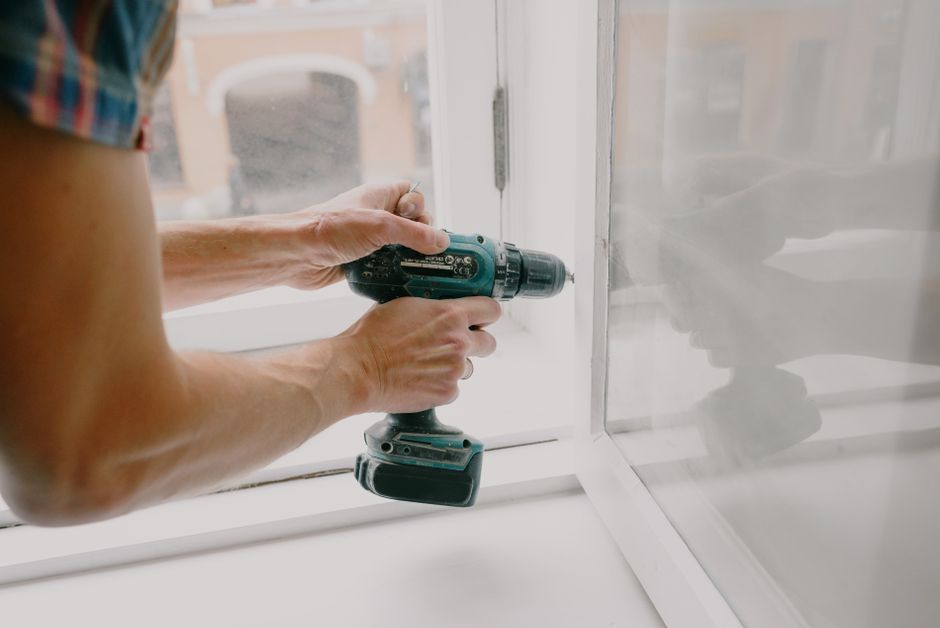
The fin wants flat, sound sheathing around the whole opening. Old homes often have board sheathing with gaps, or none at all behind the siding. Where the sheathing is rough, a strip of plywood or a flashing membrane goes on first to give the fin and the tape something to bond to. Without that, the tape lifts at the board joints and the nailing fin does little more than hold the frame in place.
Siding that has to be cut back
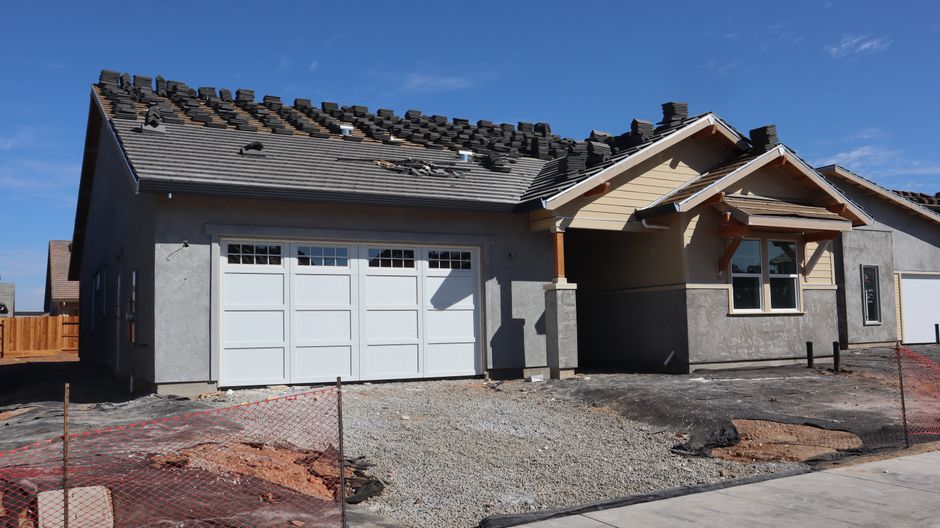
Lap siding and old wood trim sit on top of the wall and block a fin from lying flat. The siding is cut back around the opening, usually a few inches, so the fin goes against sheathing and the flashing can be lapped properly. Siding is then lapped back over the fin and tape on the sides and head. Some older siding splits or breaks when it is cut, so spare boards matter. Painted wood trim from past decades often hides one more layer of old paint and old caulk.
Fin or insert, and when to switch
If the original frame is sound, an insert avoids all the siding work, and many houses in these neighborhoods end up with one. A fin window earns its place in a full-frame job where the opening is opened to the studs anyway. Vinyl window and fiberglass window units both come with fins, while a wood window or clad window designed for a replacement may use a brick mold or a flush flange instead. The wall decides which style fits.
Details that matter in older walls
Old studs are often a true two by four, and the opening can be a different size from modern stock. Shims fill the difference, and low-expansion foam seals the gap. A sill pan goes in under every unit, because a bungalow that has stood for decades was built before pans existed. A casement or awning window gets the same treatment as a double hung. Careful flashing around the old wall is slower work, and it is the part that keeps the house dry.