Insert Window or Full-Frame Window for an Austin House
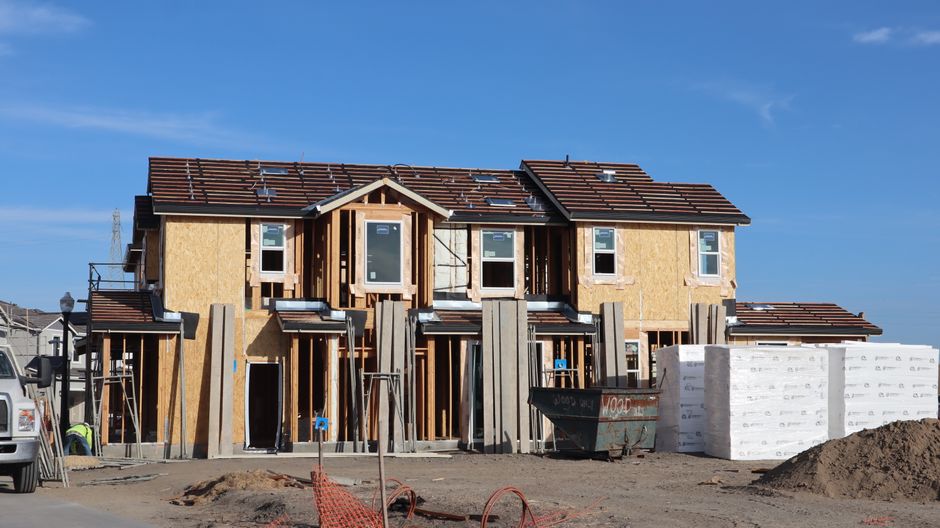
Sound frames get inserts, rotten frames get pulled, and the sill tells you which one you have. The running record austin window installation greentopia fest holds shows the same pattern on house after house: the decision gets made at the sill with a screwdriver, long before anyone orders glass. An insert window slides into the existing frame and leaves the trim alone, while a full-frame window takes everything out down to the rough opening. Both are a window installation, and both work in Austin, TX when the opening underneath is honest.
What the old frame has to prove

Push a screwdriver into the sill, the bottom of the jambs and the corners of the casing. Wood that takes the point more than a hair is wet or soft, and no insert fixes that. Frames in older houses near Hyde Park and Clarksville often fail first at the sill horn. If the frame is dry, square and tight to the wall, an insert window has something solid to sit on.
Why insert windows suit sound frames
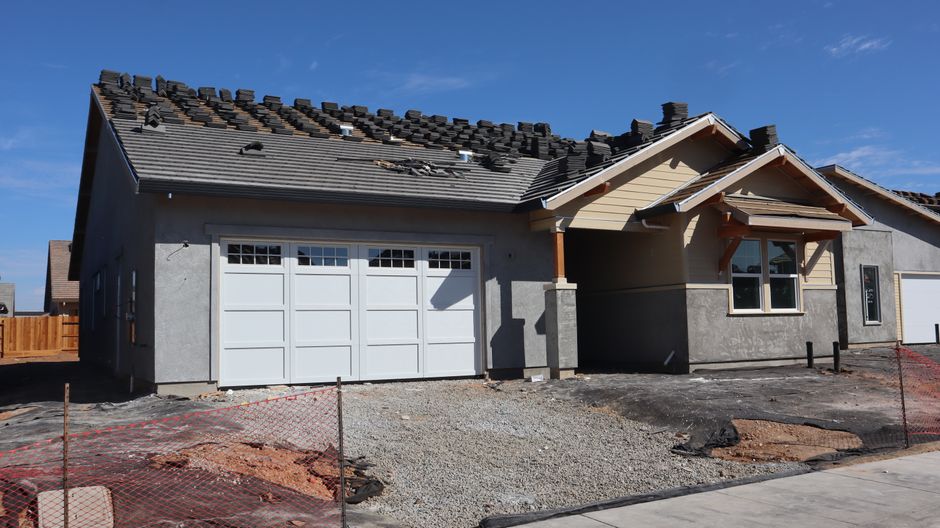
An insert keeps the interior casing, the plaster or drywall return and the exterior trim. The crew measures the opening at three heights and three widths, takes the smallest, and orders the window a quarter inch under it. A vinyl window or a fiberglass window in a double hung or single hung style is the usual choice here.
When the whole frame comes out
Full-frame work starts when the rough opening itself is the problem. A sill that has settled a half inch across a shifting slab, a header that bows, or a wall with no flashing at all means the opening has to be rebuilt before a new unit goes in. Pulling the old frame also exposes the sheathing, which shows the real condition of the wall.
Frame material and glass follow the opening
A full-frame job opens up choices an insert does not. A composite frame, a clad window or an aluminum window can be sized to the exact opening, and the full unit can be a casement, an awning, a slider or a picture window. Insulated glass with a double pane and a low e coating is the baseline for Austin sun. Argon fill and a warm edge spacer slow the heat gain, and the u factor and shgc on the label say how much solar heat gets through.
Checking the rough opening before ordering
Whichever way it goes, the rough opening gets measured diagonally, and the two diagonals should agree within an eighth of an inch. A bigger gap means the frame is racked, and the shims will have to carry the difference. Leaving the question until install day is how a crew ends up with a wall open to a Travis County thunderstorm.